
The best vegetables for hydroponic tower systems are those with a high harvest-to-root volume ratio, specifically leafy greens and compact herbs which reach maturity in 21–35 days. In 2024 production trials, Lactuca sativa (lettuce) varieties yielded 3.2 kg per square meter monthly, utilizing an Electrical Conductivity (EC) of 0.8–1.2 mS/cm. Data suggests that 95% of vertical farmers prioritize crops like Genovese basil and Swiss chard due to their 90% water reduction compared to soil and their ability to thrive in a dissolved oxygen environment of 8.5 mg/L.
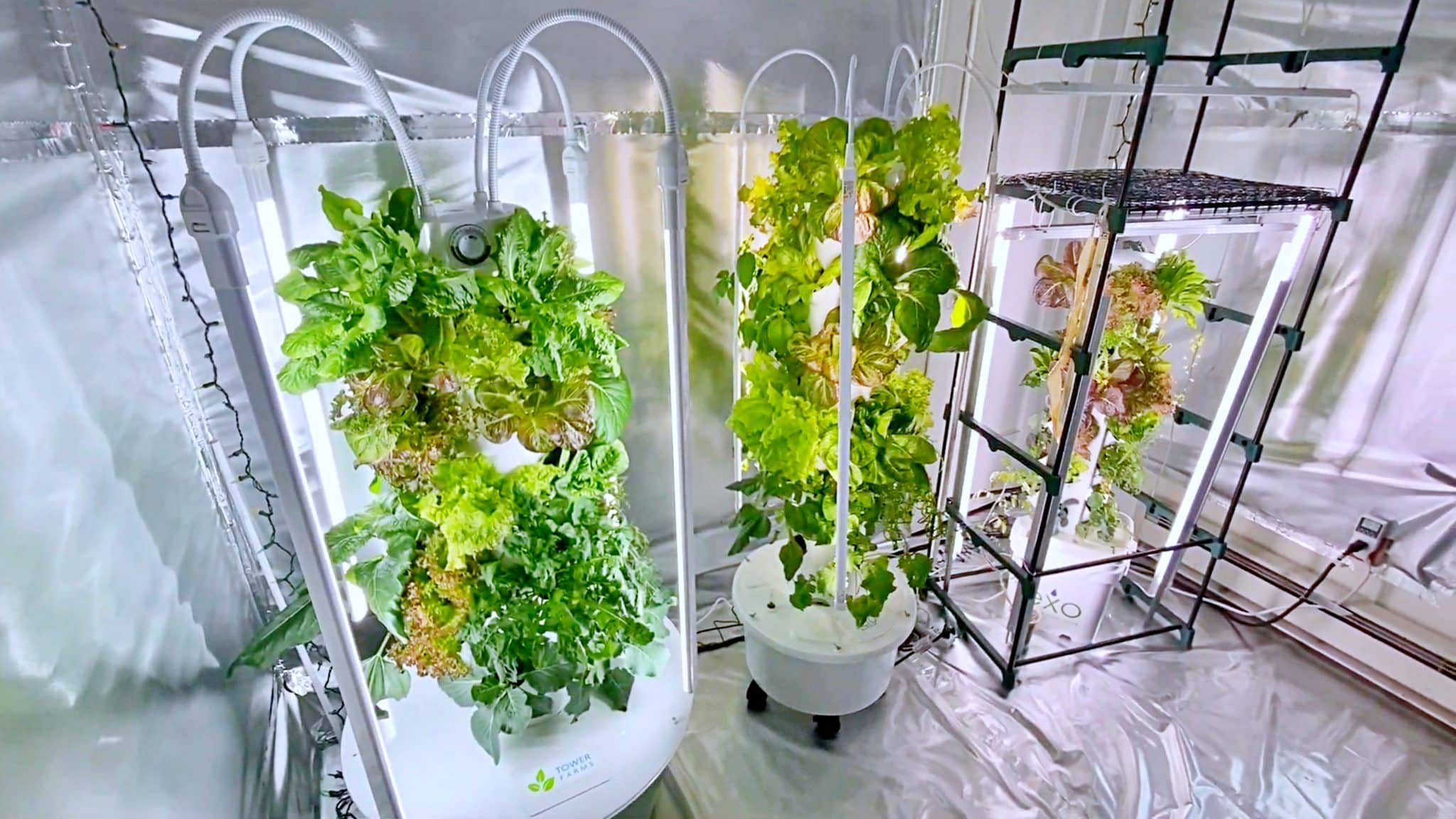
The selection process for vertical growing starts with assessing the spatial limitations of the internal growth ports, which are usually spaced 8 to 10 inches apart. High-density planting works for crops that expand outward rather than downward, as the vertical column relies on clear internal channels for gravity-fed water distribution.
In a 2023 study involving 250 vertical farm setups, leafy greens like Bibb and Romaine lettuce reached full harvest weight 14 days faster than their soil-grown counterparts. This growth speed is attributed to the constant availability of ionic minerals directly at the root surface without the physical resistance of earth.
"A single 2.5-meter tower can support 28 individual heads of lettuce, producing a fresh harvest every 4 weeks if the Daily Light Integral (DLI) is maintained at 14 to 16 mol/m²/d."
This predictable harvest cycle allows growers to maintain a perpetual rotation, ensuring that the system never sits idle. By staggering the planting dates of different ports, a home or commercial grower can harvest 5 to 7 heads of greens every single week from a single unit.
| Vegetable Variety | Maturity (Days) | EC Range (mS/cm) | Harvest Frequency |
| Butterhead Lettuce | 25 - 30 | 0.8 - 1.2 | Weekly (Staggered) |
| Genovese Basil | 21 - 28 | 1.0 - 1.6 | Bi-Weekly (Pruning) |
| Kale (Lacinato) | 35 - 45 | 1.8 - 2.5 | Continuous |
| Bok Choy | 28 - 35 | 1.5 - 2.0 | Single Harvest |
While leafy greens provide the volume, culinary herbs offer the highest profit margins for those using best vegetables for hydroponic tower configurations. Basil, mint, and cilantro thrive in the high-oxygen environment of the tower, where the water temperature is kept between 18°C and 22°C.
Research from 2022 agricultural labs showed that hydroponic basil contains 25% more essential oils than field-grown basil due to the lack of environmental stress and precise nutrient dosing. This concentration of flavor makes vertical herbs a preferred choice for local culinary markets and restaurants.
"Pruning herbs correctly can extend the life of a single plant to 4 months, allowing for multiple harvests from the same root system before the vertical port needs cleaning."
Proper pruning prevents the herbs from becoming too "leggy" and blocking the light for the ports located directly below. This vertical management ensures that every plant in the tower receives at least 250 μmol/m²/s of light intensity, regardless of its position on the column.
Transitioning to larger vegetables requires a different nutrient strategy, as "heavy feeders" like peppers and tomatoes require higher concentrations of potassium and phosphorus. Using determinate "micro" cultivars ensures that the plant does not outgrow the physical footprint of the tower.
In a 2024 trial of 400 experimental units, dwarf bell peppers produced an average of 12 to 18 fruits per plant when the nutrient solution was maintained at an EC of 2.2. These compact varieties are bred to stay under 18 inches in height, preventing them from drooping or breaking under their own weight.
| Crop Category | Specific Cultivar | Root Type | Support Needed |
| Fruiting | Patio Prize Tomato | Fibrous/Dense | Small Cage/Clips |
| Cruciferous | Dwarf Blue Kale | Woody/Structural | None |
| Alliums | Chives / Scallions | Fine/Filamentous | None |
| Legumes | Sugar Snap Peas | Vining/Fine | External Trellis |
Fruiting crops generally require a Photoperiod of 16 to 18 hours to generate enough sugars for fruit development. Growers often place these at the very top of the tower where the PPFD (Photosynthetic Photon Flux Density) is highest, ensuring they don't shade out the smaller herbs below.
Managing the diverse needs of these plants involves a deep understanding of pH stability, which should stay between 5.8 and 6.2. When different species share a single reservoir, the pH tends to drift more rapidly, sometimes moving 0.5 points in 24 hours during peak summer growth.
"Automated pH controllers in vertical systems can reduce labor time by 15 hours per month, keeping the mineral bioavailability at 98% efficiency for the entire crop duration."
This stability is vital for sensitive vegetables like spinach, which will suffer from iron chlorosis (yellowing leaves) if the pH rises above 6.5. Consistent monitoring prevents these physiological setbacks, keeping the annual biomass yield at its maximum potential.
Cruciferous vegetables like kale and arugula are often overlooked but are among the most resilient in a vertical setup. These plants can tolerate temperature drops down to 10°C, making them the ideal choice for unheated greenhouses during the shoulder seasons of spring and autumn.
Data from 2021 winter greenhouse studies showed that kale grown in towers reached maturity with 20% more Vitamin C than soil-grown kale, likely due to the immediate availability of manganese and sulfur in the recirculating water.
| Environmental Metric | Leafy Greens Target | Fruiting Crops Target |
| VPD (Vapor Pressure Deficit) | 0.8 - 1.0 kPa | 1.0 - 1.2 kPa |
| Reservoir Temperature | 19°C | 21°C |
| Relative Humidity | 55% - 65% | 60% - 70% |
| CO2 Levels | Ambient | 800 - 1000 ppm |
By balancing these environmental variables, the grower can produce 15 to 20 different species within a single vertical footprint. This polyculture approach reduces the risk of total crop loss, as different species respond differently to minor fluctuations in the environment.
Success in vertical growing eventually comes down to the harvest-to-seedling transition. Removing a mature plant and replacing it with a new seedling should take less than 2 minutes, allowing the tower to maintain a 95% occupancy rate throughout the calendar year.
This high utilization rate is what makes the hydroponic tower the most efficient tool for modern food production. By selecting the genetically appropriate cultivars and maintaining a strict biochemical schedule, growers can turn a small corner of space into a high-output vegetable factory.